

When you’re searching for a home in our market areas, you have plenty of options. You might fall for a historic home with original details and mature landscaping. Maybe a brand-new home with an open floor plan, modern finishes and energy-efficient systems is more your style.
Both older homes and new construction have their advantages and their trade-offs. So, when comparing older homes vs. new construction, which is right for you? The answer is it depends. The right choice depends on how you want to live, your desired location, and how much maintenance or updating you’re willing to take on. As you tour homes, ask yourself “What works for the way I live?”
Understanding “Older” Homes
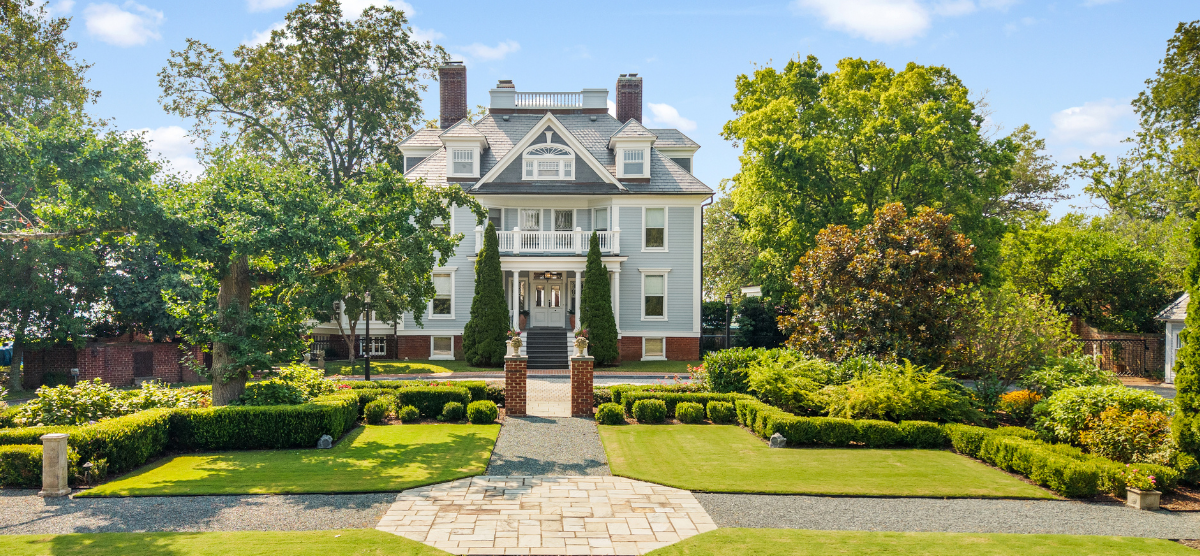
There isn’t a universal definition of an “older” home. In general, buyers may consider a house that is 50 to 100 years old an older home, but the surrounding housing inventory makes a difference. For example, in Richmond’s Fan and Museum Districts, homes from the late 19th and early 20th centuries are part of the neighborhood’s identity. A house built 25 or 30 years ago may be considered relatively young by comparison.
That distinction also applies throughout Central and Eastern Virginia.. Williamsburg has a mix of historic properties, established neighborhoods, and newer communities. In the Northern Neck and Middle Peninsula, buyers can find everything from older homes on larger rural or waterfront properties to newer homes in growing residential developments.
Age alone doesn’t tell you whether a house is a good investment or a good fit. The home’s condition and the updates the owner has made are often much more important. For many buyers, however, age is part of the appeal. Older homes can offer features and locations that are difficult to find in newer construction.
Why Buyers Love Older Homes
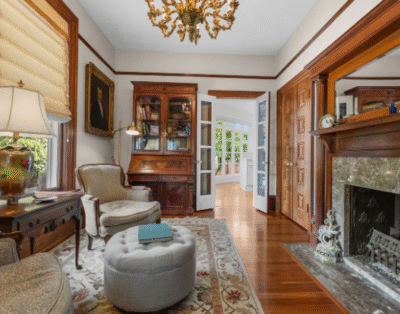
- Character and Architectural Detail: One of the biggest advantages of an older home is character. Original hardwood floors, detailed trim, built-ins, fireplaces and distinctive windows can give an older home a personality that new construction can’t easily replicate. For buyers who appreciate craftsmanship and detail, these details can be a major part of the appeal.
- Established Neighborhoods and Mature Landscapes: Older homes often sit in established neighborhoods with mature landscaping. Large trees, established gardens and more developed streetscapes can make a significant difference in how a neighborhood feels.
In Richmond, older neighborhoods can also put you close to restaurants, shops, parks and cultural attractions. In the Northern Neck and Middle Peninsula, buyers may be more interested in space, privacy, water access or proximity to small towns and local amenities. Location is one of the biggest advantages of buying an existing home. You may be able to find an older property in an area where new construction simply isn’t available.
- Potentially Larger Lots: Depending on the location, older homes may also offer larger lots and mature outdoor spaces. In established urban neighborhoods, the outdoor space may be smaller, but mature landscaping and established yards can still be a significant benefit.
The Trade-Offs of an Older Home
The charm of an older home can come with maintenance considerations. Depending on the age and condition of the property, buyers may encounter older plumbing, electrical systems, roofing, windows, insulation, HVAC equipment or other components that need attention. Some owners have already completed extensive updates, while other homes may require significant investment.
That’s why buyers should pay particular attention to the home inspection when purchasing an older property. Look beyond the kitchen and bathrooms to understand the condition and age of the major systems. An older home may also have smaller closets, bathrooms or kitchens than you’ll find in many newer homes. Floor plans may be more compartmentalized, and storage can be limited.
An older home isn’t necessarily a project. A well-maintained home with thoughtful updates can give buyers architectural character without requiring extensive renovations.
New Construction Considerations
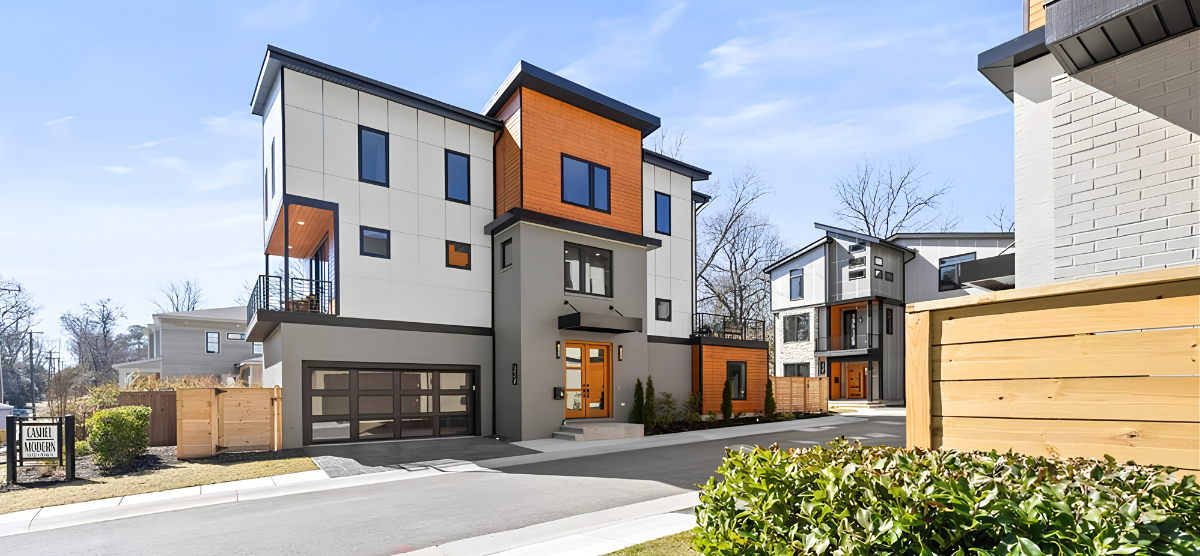
For many buyers, the biggest appeal of new construction is simple: everything is new. New homes are typically built with current building codes, modern materials, and updated systems. Depending on the builder and home, you may find energy-efficient windows and insulation, modern HVAC systems, smart-home technology, newer electrical and plumbing systems, and energy-efficient appliances. That can mean fewer immediate maintenance concerns and a home designed around today’s expectations.
Why Buyers Choose New Construction
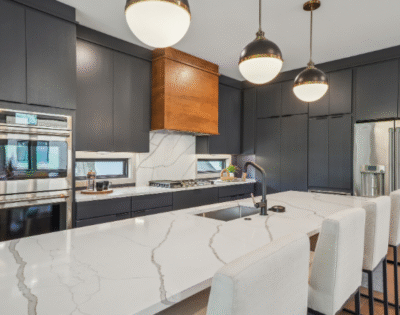
- Modern Floor Plans and Features: New construction often reflects the way people live today. Open kitchens and family rooms, larger primary suites, walk-in closets, home offices, flexible rooms and larger bathrooms are common features in many new homes. For buyers who work from home, need space for guests, or want dedicated areas for hobbies and recreation, a newer floor plan may provide the flexibility they’re looking for.
- Community Amenities: Many new homes in are built within planned communities. Depending on the development, amenities may include pools, trails, playgrounds, clubhouses, fitness facilities, parks and other shared spaces. These amenities add to the convenience and appeal of a new community.
- Builder Warranties: A builder’s warranty can be another advantage of new construction. Warranty coverage varies by builder and contract, so buyers should understand exactly what is included and for how long. Still, warranty protection for certain components can provide additional reassurance during the first years of ownership.
The Trade-Offs of New Construction
New construction isn’t maintenance-free, and the advertised price may not always be the final price. Depending on the builder, upgrades such as flooring, countertops, lighting, appliances, landscaping, fencing and other features may cost extra. Buyers should understand what is included in the base price and what will be considered an upgrade.
If you’re buying in a community that is still being developed, you should also expect construction activity, traffic and noise while additional homes are being built. And if you plan to sell relatively soon, you may eventually compete with the builder for buyers if new homes are still being offered in the community.
Don’t Overlook the Middle Ground
The choice doesn’t have to be strictly “old home versus brand-new home.” A 10-20-year-old house that has been renovated may offer a compelling combination of established surroundings and modern updates.
You might find an older home with a newer roof, updated HVAC, renovated kitchen and baths, replacement windows and refreshed electrical or plumbing systems. Sometimes, you can get the character and location of an established property with the modern amenities of a newer home.
Which Is Right for You?
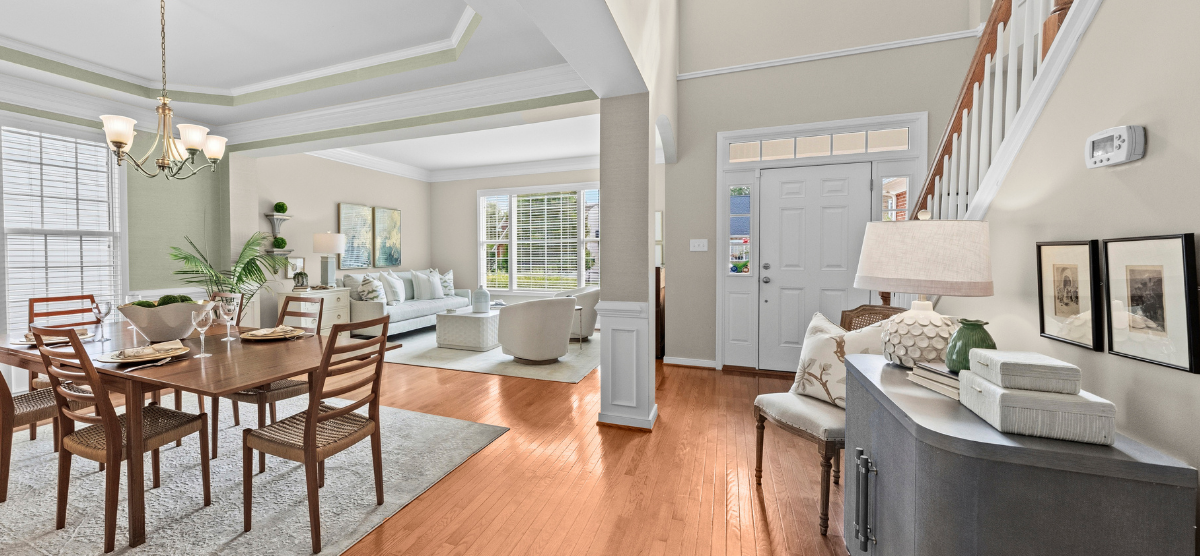
Your priorities should drive your decision. If you value architectural character, mature landscaping and established neighborhoods, an older home may be the better fit. If you prefer modern floor plans, energy-efficient systems, new finishes, numerous community amenities, and fewer immediate maintenance concerns, new construction may make more sense.
Ultimately, there isn’t a universally “better” choice. The best home is the one that fits your priorities, budget, and plans for the future. Are you ready to look for your next home in Richmond, Williamsburg, the Northern Neck or Middle Peninsula? Our local real estate agents can help you compare your options and find a home that fits the way you want to live.

Shaheen, Ruth, Martin & Fonville Real Estate (SRMFRE) has built its legacy on trust, expertise, and a deep commitment to our communities. Founded in 2017 by four seasoned managing brokers with a combined 109 years of experience, our firm has grown into a top-ranked force in Central Virginia, consistently voted Best Real Estate Firm by Virginia Living readers for our hands-on, client-centered approach. With comprehensive market coverage spanning Richmond, Williamsburg, the Northern Neck, the Middle Peninsula, and Wintergreen, our team is uniquely positioned to help diverse clients navigate their real estate journeys with total confidence. When you partner with SRMFRE, you gain a trusted regional expert dedicated to making your home-buying or selling experience seamless, successful, and tailored to your needs, ensuring you truly Enjoy the Process.