

Buying a new home while selling your current one can feel like trying to leap from one moving train to another. The timing, financing, and negotiations all have to line up just right. But with the right strategy, it’s absolutely doable and thousands of homeowners do it every year. Here’s what you need to know:
-
Start With a Clear Financial Picture
Before you browse listings or call a listing agent, talk to a mortgage professional.
You’ll want to understand:
-
- How much equity you have in your current home
- Whether you need the sale proceeds for your next down payment
- If you qualify to carry two mortgages temporarily
- What your debt-to-income ratio allows
If you need your home sale proceeds to buy your next house, your strategy will focus heavily on timing and contingencies.
-
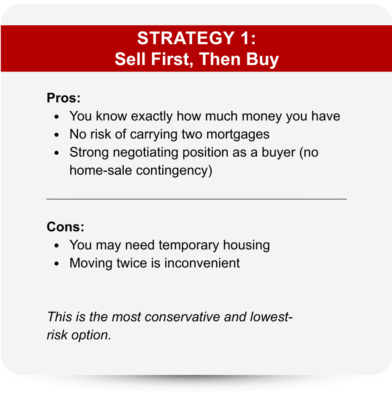
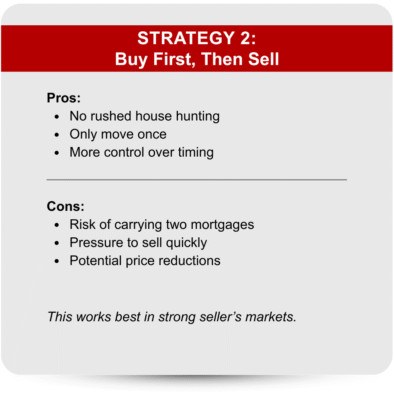
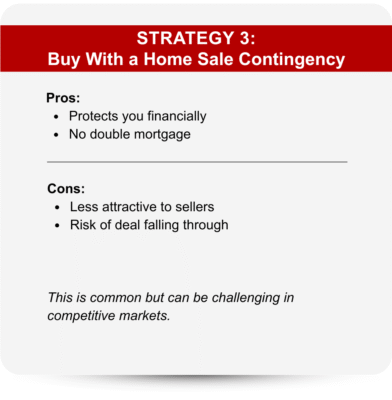
Understand the 3 Main Strategies
There are three common ways people buy and sell at the same time:
-
Consider a Bridge Loan
A bridge loan helps you access your current home’s equity before it sells. This is a short-term loan that covers your down payment and gets paid off once your home sells. Bridge loans are a great option if you want to buy before selling while avoiding rushed decisions. However, this option can come with higher interest rates, additional fees, or require strong credit and equity. It’s a useful tool but may not be ideal for everyone.
To get familiar with your loan options, reach out to our partner, Jennifer White with TowneBank Mortgage.
-
Time the Closings Carefully
-
Use a Rent Back Agreement
If you sell your home first but need additional time to transition, consider negotiating a rent back, also known as a post settlement occupancy agreement. This allows you to close on your sale and remain in the home for 30 to 60 days while paying a daily rental rate to the new owner. It provides valuable flexibility and breathing room while you finalize your next purchase.
And if timing still does not align perfectly, you always have short term options available. Platforms like Furnished Finder and Airbnb can be excellent resources for securing a furnished short term rental as a last minute solution. With proper planning, there is almost always a workable path forward.
-
Get Your Current Home Market-Ready First
Before writing an offer on a new house:
-
- Declutter
- Make minor repairs
- Stage the home
- Get listing photos done
- Price it correctly
You want your home ready to list immediately once you find your next property, or even list it first to test the market.
-
Work With an Experienced Agent
This is not a DIY moment. An experienced real estate agent will:
-
- Structure contingency timelines properly
- Negotiate rent-backs
- Align closing dates
- Advise you on local market conditions
The right guidance can mean the difference between a smooth transition and a logistical nightmare.
-
Prepare for Plan B (Always)
Even with perfect planning, anything can happen. A buyer’s financing can fall through, an appraisal can come in low, or inspection issues can delay closing. This is why it’s important to have a backup plan in place. Line up short-term rental options, secure storage solutions, and keep your moving dates flexible. The more adaptable you are, the less stressful the process will feel.
Buying and selling at the same time is about strategy, not luck. By understanding your finances, choosing the right approach, and coordinating timelines carefully, you can transition from one home to the next without unnecessary stress, and maybe even enjoy the process.
If you’re ready to make your move, check out our Buyer and Seller pages to get started.